
DR. MANJULA S PATIL
” Menstrual hygiene is more than cleanliness, it is a reflection of health, dignity, and confidence.”
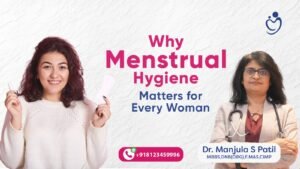
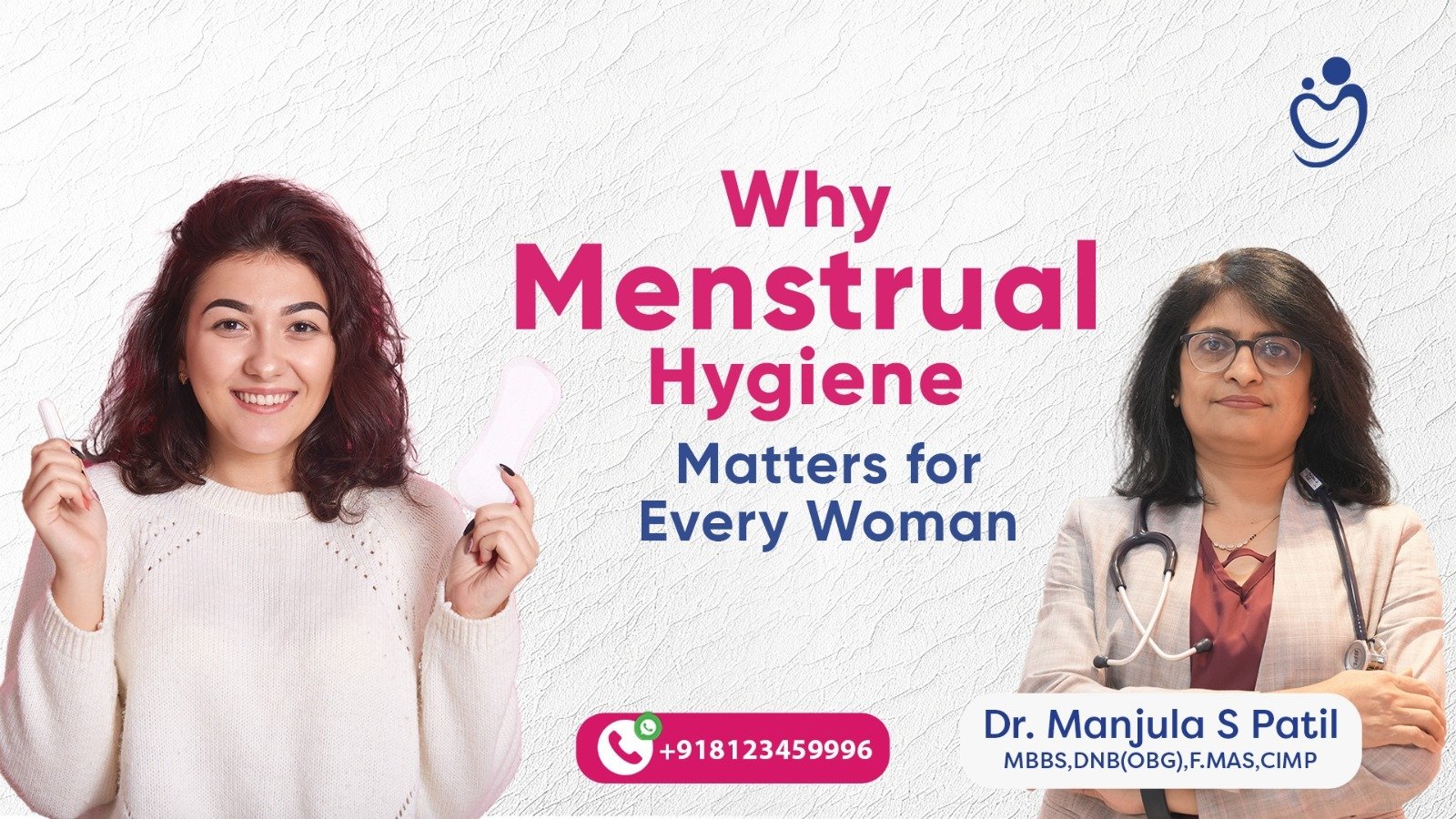
Menstrual hygiene is an essential part of every women’s health, yet it is often overlooked or discussed only when problems arise. Maintaining proper hygiene during menstruation is essential not only for comfort but also for preventing infections, supporting reproductive health, and promoting overall well-being.
Today, increasing awareness about menstrual hygiene is helping women understand the importance of safe and healthy menstrual care practices.
Understanding Menstrual Hygiene
Menstrual hygiene refers to maintaining cleanliness and proper care during menstruation. Using clean sanitary products, changing them regularly, and maintaining personal hygiene are important steps that help prevent discomfort and infections.
Poor menstrual hygiene may increase the risk of irritation, urinary tract infections, vaginal infection and ascending upper genital tract infection and other reproductive health issues. This is why awareness about menstrual hygiene is important for women of all age groups.
Menstrual Hygiene Awareness Week
Menstrual Hygiene Awareness Week is observed annually from May 22 to May 28, culminating on global Menstrual Hygiene Day on May 28. The purpose of this awareness initiative is to encourage open conversations about menstruation, promote healthy hygiene practices, and reduce the stigma surrounding periods.
This observance also highlights the importance of access to safe menstrual products, hygiene education, and better awareness about period hygiene and women’s health.
The Importance of Choosing the Right Menstrual Hygiene Products
Every woman’s body is different, so choosing comfortable and safe menstrual products matters. Use clean sanitary pads, tampons, menstrual cups, and reusable products based on your preference personal comfort, lifestyle, and hygiene practices, change them regularly. Wash hands before and after changing menstrual products. Clean the genital area gently with water, harsh soaps or excessive washing are unnecessary.
Regularly changing sanitary products and maintaining cleanliness helps support better feminine hygiene and reduces the risk of bacterial growth.
Menstrual Health and Overall Well-Being
Periods can affect both physical and emotional health. Fatigue, cramps, mood changes, and discomfort are common during menstruation. Maintaining proper hygiene, staying hydrated, eating nutritious food, and getting enough rest can help women feel healthier and more comfortable during their menstrual cycle.
Open conversations about menstrual health awareness also encourage women to seek medical advice when they experience irregular periods, severe pain, or unusual symptoms.
Breaking the Stigma Around Menstruation
Menstruation is a natural biological phenomenon, yet menstrual hygiene remains surrounded by silence, myths and misinformation. Even today, many women feel hesitant to discuss menstrual health openly. Lack of awareness and social stigma often prevent young girls and women from receiving proper guidance about menstrual care. As a gynecologist I believe open conversations about periods are essential for every girl and woman.
Creating awareness about reproductive health and encouraging healthy discussions can help women feel more confident and informed about their health. Parents, teachers and health care professionals all play an important role in creating this awareness. Menstruation is not ‘dirty’. It is not something to hide. Every girl deserves accurate information, access to safe menstrual products, clean toilets and the confidance to manage her periods without fear or embarrassment. Education and support play an important role in building healthier communities.
When to Consult a Gynecologist
While mild discomfort during periods is common, symptoms such as extremely painful cramps, heavy bleeding, irregular cycles, or repeated infections should not be ignored. Consulting a gynecologist helps identify and manage underlying concerns early.
Regular gynecological care supports long-term wellness and better reproductive health.
Conclusion
Menstrual hygiene is not just a monthly routine, it is an important part of women’s overall health and confidence. By maintaining proper hygiene, staying informed, and seeking medical guidance when needed, women can support their physical and emotional well-being more effectively.
Prioritize your menstrual health and well-being with the right care, awareness, and expert medical guidance for a healthier future.